
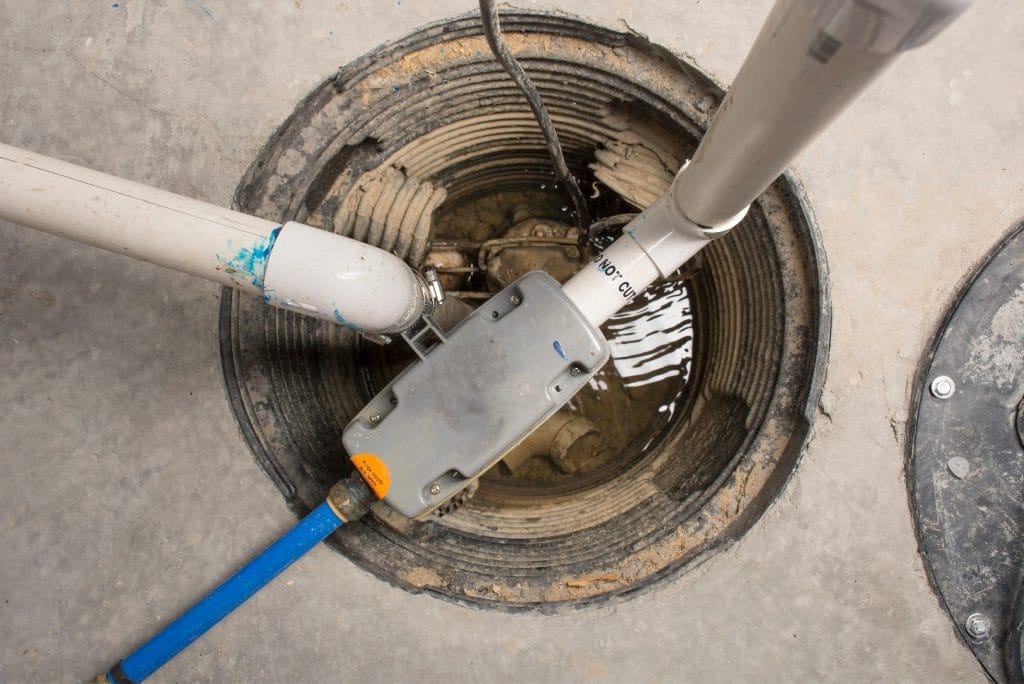
Madison downpours, clay soil, and roof runoff push water against your foundation fast. Paired with storm power outages, catching the early signs your sump pump is failing protects your basement from sudden flooding.
Here are 7 warning signs, a 5-minute diagnostic test, and a repair-versus-replace guide. Fuller provides reliable sump pump repair and battery backup installs across Madison. Start with Sign #1 and work down the list.
Schedule a Sump Pump Inspection
1. Water Rises in the Pit, But the Pump Never Kicks On
If water rises in your basin without triggering the motor, your system is failing to activate. To run a quick functional test, pour a bucket of water directly into the pit to see if the pump turns on.
If the motor stays silent, the issue usually points to three common root causes: a tripped GFCI outlet, a float switch jammed against the pit wall, or a burned-out motor. Confirm the outlet has power and check that the float arm moves freely. If both check out, schedule a professional sump pump repair.
Always avoid standing water when checking power, and never use temporary extension cords.
2. The Pump Runs or Hums, But Water Level Stays High
A running motor offers false confidence if pit water refuses to budge. Hearing a continuous hum or running engine while water levels stay high usually signals one of three common problems:
- Clogged intake screen
- Jammed impeller
- Air lock in the discharge line
Air locks occur when trapped air prevents the pump from priming, which usually happens when the small relief hole becomes clogged.
If clearing visible debris from the basin fails to restore discharge flow, unplug the unit immediately to prevent motor burnout. Treat persistent straining as an urgent failure risk before the next severe storm hits. Upgrade to reliable, modern sump pumps to protect your home.
3. The Pump Turns On and Off Continuously
If your pump switches on, drains water, turns off, and restarts seconds later, it is short-cycling. Rapid cycling strains the motor, but this clear sign your sump pump is failing does not automatically require a full system replacement.
Short-cycling typically stems from either a sticking float switch or water falling back into the pit. To isolate the issue, stand near the pit right as the motor shuts off. Hearing a loud gurgle or water rushing down the pipe points directly to a bad, missing, or backward check valve. Replacing a failed valve stops backflow and prevents rapid cycling, resolving the issue without the expense of a full replacement.
4. The Pump Runs Constantly and Never Shuts Off
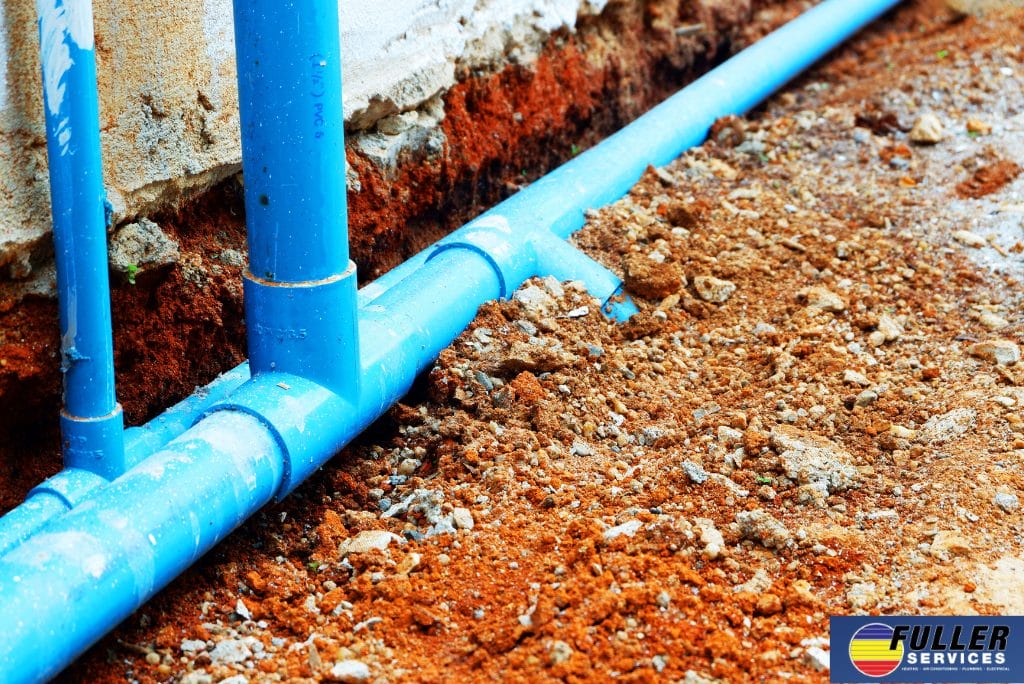
A sump pump running for long stretches or operating non-stop is an urgent symptom, not a normal response to rain. Continuous operation causes the motor to overheat and fail during peak storm demand.
This behavior usually points to three common causes:
- A float switch jammed against the pit wall
- A clogged or restricted discharge line
- A pump undersized for your home’s water volume
Storm runoff spikes quickly across impervious surfaces like roofs and driveways. If your float switch moves freely but the pump keeps running, contact a licensed plumber to clear the discharge line or upgrade your unit before the motor burns out.
5. You Hear Grinding, Rattling, or Loud Banging Noises
Unusual noises from your pit signal mechanical stress or component failure. Decoding these sounds helps you address the specific issue before the pump fails completely:
- Grinding or rattling: Indicates worn motor bearings or debris trapped in the impeller. A jammed impeller will quickly burn out the motor.
- Loud thud or bang on shut-off: Points to check valve slam, also known as water hammer.
The check valve stops discharged water from falling back into the pit. Without a functional valve, water re-triggers the cycle, forcing the pump to run on and off continuously. Installing a spring-loaded quiet check valve eliminates the noise and protects your motor from wear.
6. Visible Rust, Corrosion, or Heavy Debris Buildup
A quick visual inspection can reveal critical failure signs before the next heavy storm. Looking inside your pit, you might notice rust flaking off the pump housing, corroded pipe fittings, or heavy silt surrounding the base.
In damp crawlspaces, dirt and debris routinely wash into the basin. This buildup can clog the intake screen or pin the float switch so it fails to move freely. Visible corrosion also signals that moisture is degrading mechanical seals and internal components, accelerating wear.
Clear minor debris by hand, but treat heavy rust as a reliability risk. Address dampness early, and don’t ignore moisture sources that force your system to work overtime.
Call (256) 381-7195 for Same-Day Service
7. The Battery Backup Fails or Is Missing
Severe storms bring heavy rain and power outages together, leaving a standalone primary pump useless when flood risks peak. Without a working secondary defense, your system fails during peak storm conditions.
Signs of backup failure include:
- Low-battery indicator lights or alarms
- A backup pump that fails test cycles
- No secondary system installed at all
Sump pump batteries last three to five years, so treat older units as active failure risks before storm season. Scheduling an installation during sump pump repair and replacement restores storm readiness. For frequent outages, adding a whole-house generator provides the ultimate durability upgrade.
How to Test, Repair, or Replace Your Sump Pump Before the Next Storm
Step 1: Run a 5-Minute Pre-Storm Checklist
Perform this basic maintenance checklist to confirm your pit is storm-ready:
| Checklist Step | What to Do | What to Confirm |
|---|---|---|
| 1. Perform a Bucket Test | Slowly pour five gallons of water directly into the sump basin. | The float should trigger the motor automatically, and the water level should drop quickly. |
| 2. Listen for Backflow | Stand near the pit as the motor shuts off. | Listen for loud gurgling or a check valve slamming. |
| 3. Verify the Discharge Path | Inspect the outdoor discharge pipe while the pump is running. | Water should flow freely and drain safely away from the foundation. |
| 4. Check the Power Supply | Inspect the outlet and power connection used by the pump. | The pump should use a dedicated GFCI outlet rather than a switched outlet. |
| 5. Simulate an Outage | Momentarily unplug the primary sump pump. | Confirm that the battery backup system activates properly. |
Step 2: Evaluate Repair vs. Replacement Costs
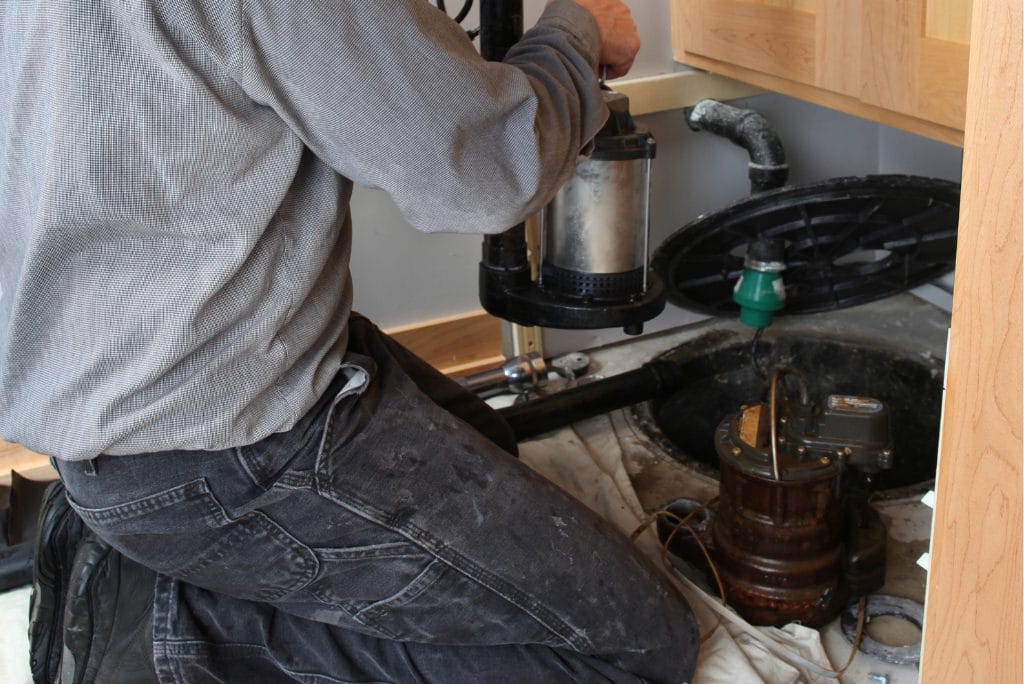
Madison’s rapid development increases impervious surface runoff during heavy downpours. Pushed to capacity, marginal pumps fail at the worst time. Use this breakdown to decide your next move:
- Repair-leaning: Address stuck floats, check valve backflow, short-cycling, or minor discharge adjustments when the pump is otherwise healthy.
- Replace-leaning: Replace units with grinding noises, repeated failures, inability to move water, frequent trips, or age in the 7- to 10-year window.
Local sump pump replacement in Madison typically runs $500 to $1,500 depending on system setup and pump type (client-provided data). National averages hover around $1,100 according to Angi, with complete replacement costs averaging $1,363 on HomeAdvisor.
Step 3: Select Your Backup Power Strategy
Severe weather often knocks out local power when drainage needs peak:
- Battery Backup System: Deploy a battery backup for short power outages to keep your pit clear during brief storms.
- Whole-House Generator: Install a whole-house generator for extended grid failures to keep your primary pump, HVAC, and appliances running.
If you see any of Signs 1 through 5, schedule an inspection before the next storm. Explore our complete plumbing services or schedule an inspection online with Fuller HVAC, Plumbing & Electrical today.
Frequently Asked Questions
How long do sump pumps last in real life?
Most sump pumps last between 7 and 10 years on average. Real-life conditions like heavy rainfall cycles, high water tables, accumulated silt, and continuous running during severe weather can shorten this lifespan. If your pump is over 7 years old, scheduling routine inspections helps prevent sudden failure during a storm.
When should I replace my sump pump before it fails?
Replace your sump pump when it reaches 7 to 10 years of age and shows active signs of failure, such as frequent short-cycling, loud mechanical noises, or persistent humming. Scheduling replacement before spring storm season protects your basement from sudden flooding. You can explore modern, reliable sump pumps to find the right capacity for your foundation.
My sump pump is running constantly. What should I do right now?
Unplug the pump immediately to prevent motor burnout. Check the pit to confirm the float switch moves freely and is not jammed against the wall. Next, check the outdoor discharge pipe for severe clogs or ice. Heavy stormwater runoff in Madison often forces pumps to run harder. If clearing visible obstructions does not resolve the issue, contact a professional plumber for immediate service.
How can I tell if it’s the check valve vs. the pump itself?
Listen to the pit right after the motor shuts off. If you hear water rushing backward into the basin followed by a loud gurgling sound or immediate re-triggering, your check valve has failed. A functional check valve prevents backflow. If the pump moves water well but the pit fills right back up, replacing the valve solves the issue without replacing the pump.
Do I need a battery backup or a whole-house generator for my sump pump?
A battery backup system handles short power outages, powering a secondary pump for several hours. If your area suffers extended grid failures during severe storms, installing a whole-house generator provides uninterrupted power to your primary pump, HVAC, and home appliances.
Ready to protect your basement before the next storm? Schedule service online or call (256) 381-7195 to speak with a Fuller HVAC, Plumbing & Electrical technician today.