
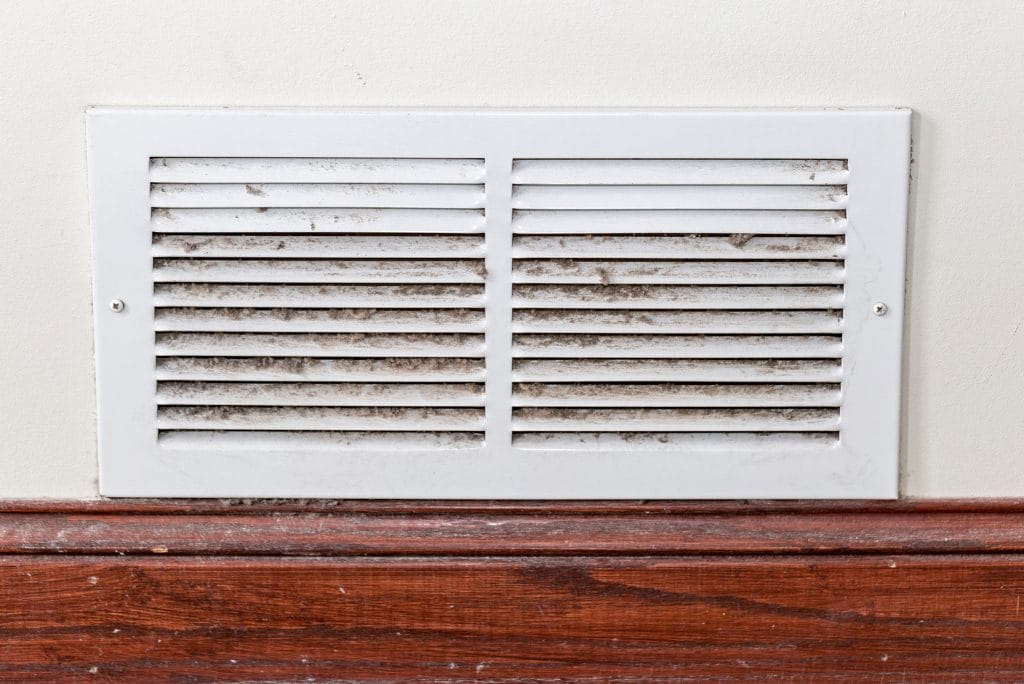
In North Alabama, pollen and high humidity often trigger musty smells, allergy flare-ups, and weak airflow. But a dusty vent does not automatically mean you need professional service.
This guide covers 8 clear signs your air ducts need cleaning, along with a simple checklist for deciding whether a cleaning is worth it. We take a no-hype, whole-home approach to your HVAC system and indoor air quality. Start with what you can see and smell, then confirm with a quick inspection.
If your air ducts show any of these signs, contact Fuller HVAC for an inspection:
1. Visible Debris Blowing From Vents
A puff of dust launching into the room when your HVAC starts up shows that debris is actively circulating through your system, not just resting on a vent cover. You might also notice fine grit on nearby furniture or rapid dust accumulation right around your supply vents.
This symptom usually indicates one of the following:
- Severe internal duct buildup
- A disconnected duct line
- Return-side air leaks drawing dust from an attic or crawlspace
Fast Check: Remove one vent cover, wipe the boot edge clean, and shine a flashlight 6 to 12 inches inside. Loose debris confirms active airflow is pushing trapped dirt into your living space. A thin, stuck-on film is just standard surface dust.
2. Dark Spots or Mold Growth Around Vents
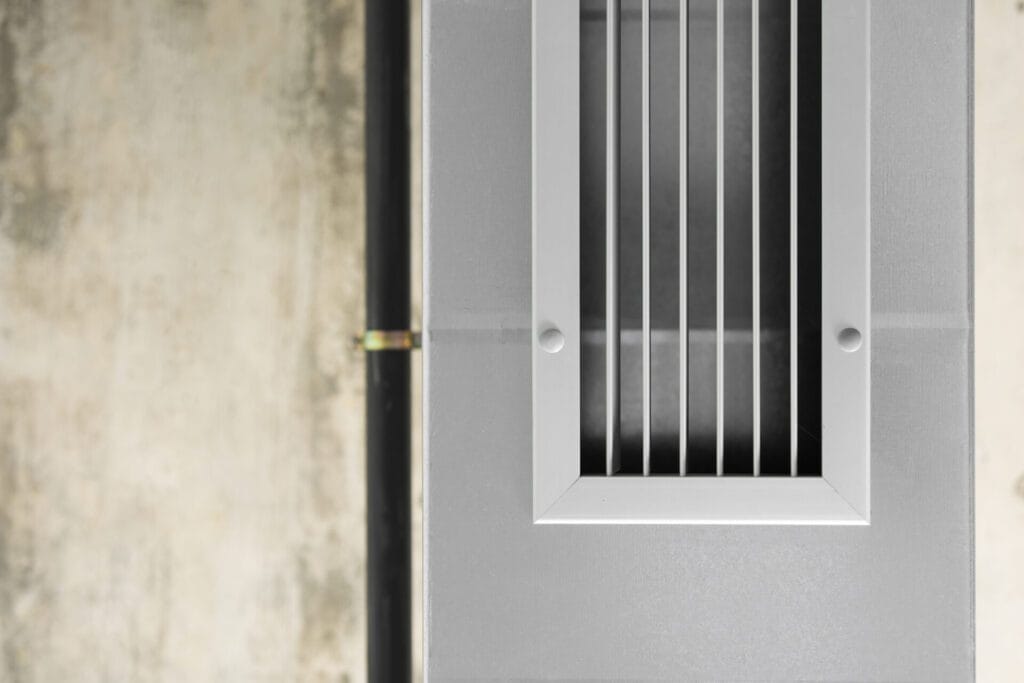
Spotting dark marks near registers triggers immediate concern, but not every smudge is active mold. Visible growth is a clear sign to act now, while normal dust can look surprisingly similar. Watch for:
- Black speckling on the metal grille
- Staining on adjacent ceiling drywall
- Dark buildup tucked inside the metal boot
In North Alabama, high summer humidity combined with cold supply air creates surface condensation when registers are unsealed or poorly insulated. Wiping the vent cover solves nothing if hidden moisture remains.
Before cleaning, resolve the root cause, such as poor drainage or excessive humidity. Always treat suspected mold as a broader indoor air quality system issue rather than a simple surface mess.
3. Signs of Vermin or Pest Activity in Your Ducts
Droppings near return vents, shredded insulation at register openings, and dead insects under grilles signal a pest infestation in your HVAC system.
Cleaning alone will not resolve vermin issues. Effective treatment requires pairing professional duct cleaning with pest control and sealing entry points. Pests usually enter through unsealed duct gaps, open returns inside wall cavities, or attic penetrations. Without sealing these access spots, contamination will recur.
Shut off your system immediately if you suspect heavy contamination, to avoid circulating contaminants throughout your home. When scheduling an inspection, confirm the technician will clean and sanitize every key component: supply lines, return ducts, and the air handler.
4. Persistent Musty Odors When Your AC Kicks On
A damp smell when your AC starts doesn’t automatically mean your ducts need cleaning. Timing matters: if the odor peaks at startup, after rain, or during high humidity, localized moisture is usually the culprit.
Top causes ranked by likelihood:
- Coil and drain pan moisture: Microbial growth on wet cooling coils.
- Return-side air leaks: Unsealed return ducts pulling in musty crawlspace or attic air.
- Trapped organic debris: Dust inside vents reacting to humidity.
Quick Isolation Check: Compare the smell near your return register against a supply vent. If the filter or return cavity smells damp, routine HVAC maintenance or repairing unsealed ductwork solves the issue far better than paying for duct cleaning alone.
Call (256) 381-7195 for Same-Day Service
5. Unexplained Allergy Symptoms That Peak Indoors

If you experience itchy eyes, congestion, or coughing that worsens indoors, it’s easy to blame the ducts. But duct cleaning is rarely a guaranteed health fix. In North Alabama, pollen intrusion and routine indoor dust are common causes. Symptoms alone don’t prove your ductwork is actively contaminating your air.
Before booking a cleaning, focus on filtration and source control:
- Confirm your air filter fits tightly and traps fine particles.
- Seal return leaks pulling air from crawlspaces or attics.
- Control indoor humidity to reduce dust mites.
- Explore indoor air quality upgrades like whole-home purifiers.
Schedule duct cleaning only if there is visible evidence of debris or mold entering your home.
6. Low Airflow or Uneven Room Temperatures
Does one bedroom always feel stuffy while the rest of the house stays comfortable? Weak airflow from specific registers often forces your system to run longer cycles just to maintain temperature.
While severe debris buildup can restrict air, cleaning alone rarely solves low airflow. This symptom usually points to physical damage: a crushed, kinked, or disconnected flex duct leaking air into your attic or crawlspace.
Before booking a service, check that all registers and dampers are open. If airflow remains weak, request a photo or video duct inspection. A visual check confirms whether you need simple cleaning or targeted ductwork repair to solve the problem for good.
7. Recent Home Renovations or Major Dust Events
Major home remodeling generates fine debris that easily bypasses standard air filters. Older homes are especially vulnerable because return vents frequently pull air through unsealed wall cavities with unknown maintenance histories.
High-risk activities include:
- Drywall sanding or plaster removal
- Hardwood floor refinishing
- Heavy carpentry and cabinetry work
Unlike standard dust, construction grit settles directly onto blower motors, coils, and duct walls. This heavy buildup chokes system airflow and recirculates airborne particles long after contractors finish.
What to do: If your HVAC ran during renovations, schedule a post-project inspection and professional duct cleaning. Replace air filters multiple times throughout the cleanup period to protect your equipment.
8. Heavy Dust or Gaps Around Your Return Grilles and Filter
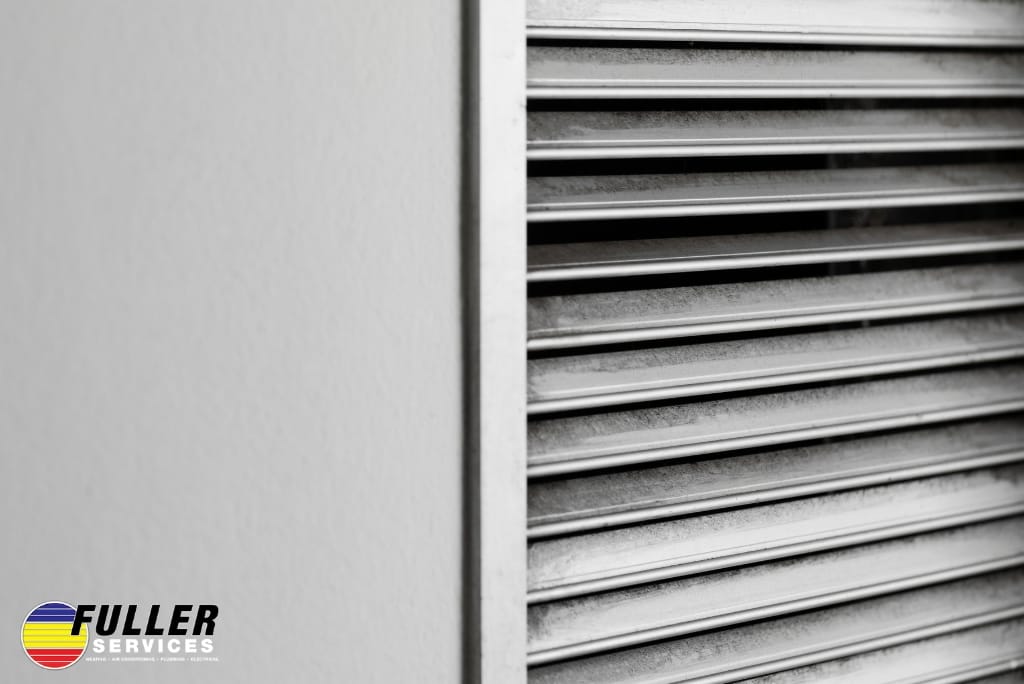
Most homeowners focus on supply vents, but return grilles often reveal the true cause of persistent dust. Remove the return cover and look for:
- Heavy lint buildup inside the return
- Dark streaks around the filter slot
- An air filter that fails to fit snugly
These signs indicate filter bypass and unsealed return seams, which pull raw, dusty air directly from attics or crawlspaces into your living spaces.
Vacuuming vents only cleans the surface mess. If you notice gaps or dust trails around your filter, schedule a comprehensive system evaluation and duct sealing alongside routine HVAC maintenance to fix the root cause.
How to Inspect Your System and Avoid Duct Cleaning Scams
Duct cleaning is not routine maintenance. Schedule service only when condition-based triggers exist: visible mold, pest infestations, or heavy renovation debris. When properly justified, cleaning delivers realistic benefits: restored airflow when restricted, reduced odors when the source is addressed, and better cleanliness when dust is actively circulating.
Step 1: Perform a DIY Vent Inspection
- Turn off your HVAC system at the thermostat.
- Remove a register cover using a screwdriver.
- Flash a light inside the boot and take photos with your phone, or feed an inexpensive endoscope camera into branch lines.
Leave light dust alone. Schedule professional service only if you spot heavy debris, pest droppings, or dark growth.
Step 2: Follow Inspection-Driven Timing
Base your timing on physical inspection rather than rigid calendars. Use typical multi-year intervals as a baseline, but inspect sooner after major renovations, heavy pet shedding, indoor smoking, or confirmed contamination.
Step 3: Verify System Scope and Spot Red Flags
Make sure your contractor cleans the whole system: supply vents, return lines, registers, and air handler components. Always demand before-and-after photos. Avoid scam red flags like extremely low teaser prices ($49 specials), sudden toxic mold claims without testing proof, or contractors refusing to provide visual proof.
Step 4: Confirm Equipment Standards and Chemical Policies
Verify that the technician uses negative-air vacuum machines, mechanical agitation tools, and proper debris containment. Ask about their policy on biocides, sanitizers, and sealants. Chemical treatments should only occur under specific, verified conditions to protect your indoor air quality without damaging flexible ductwork. Thorough duct cleaning requires clear proof and safe practices.
Ready to schedule an inspection? Fuller HVAC serves Muscle Shoals, Florence, Athens, and all of North Alabama.
Frequently Asked Questions About Duct Cleaning
How often should you clean air ducts?
Duct cleaning should be inspection-driven rather than following a rigid calendar. Cleaning is typically necessary after major renovations, pest activity, heavy pet shedding, or confirmed mold growth. If your system looks normal, focus on regular filter changes, duct sealing, and routine HVAC maintenance.
Does air duct cleaning really reduce dust?
It can reduce dust if heavy debris is actively circulating through your ductwork or unsealed return cavities. Duct cleaning will not stop standard household dust created daily by living habits, pet hair, and outdoor air entering through doors and windows.
Will duct cleaning help with allergies?
It can help if allergen sources are actively trapped inside your ductwork, but it is not a standalone health fix. For best results, pair duct cleaning with higher-efficiency filtration, indoor humidity control, and routine system maintenance.
Is duct sanitizing safe, and is it necessary?
Sanitizing is only necessary when verified mold growth or pest contamination exists. Always ask what product is being applied, why it is needed, and verify that the underlying moisture issue has been fixed before applying chemical treatments.
What else should I maintain for better indoor air quality?
Combine routine HVAC tune-ups with proper filtration and duct sealing. Keep an eye on auxiliary exhaust systems like your dryer vent, where trapped lint limits ventilation and creates safety risks. Fuller HVAC is family-owned since 1991 and holds a 4.8-star average across 2,138+ verified reviews.
Signs your air ducts need cleaning are easy to spot once you know what to look for. If your home shows any of the 8 signs above, Fuller HVAC is ready to help. Our background-checked techs serve all of North Alabama with upfront pricing and a one-year satisfaction guarantee.