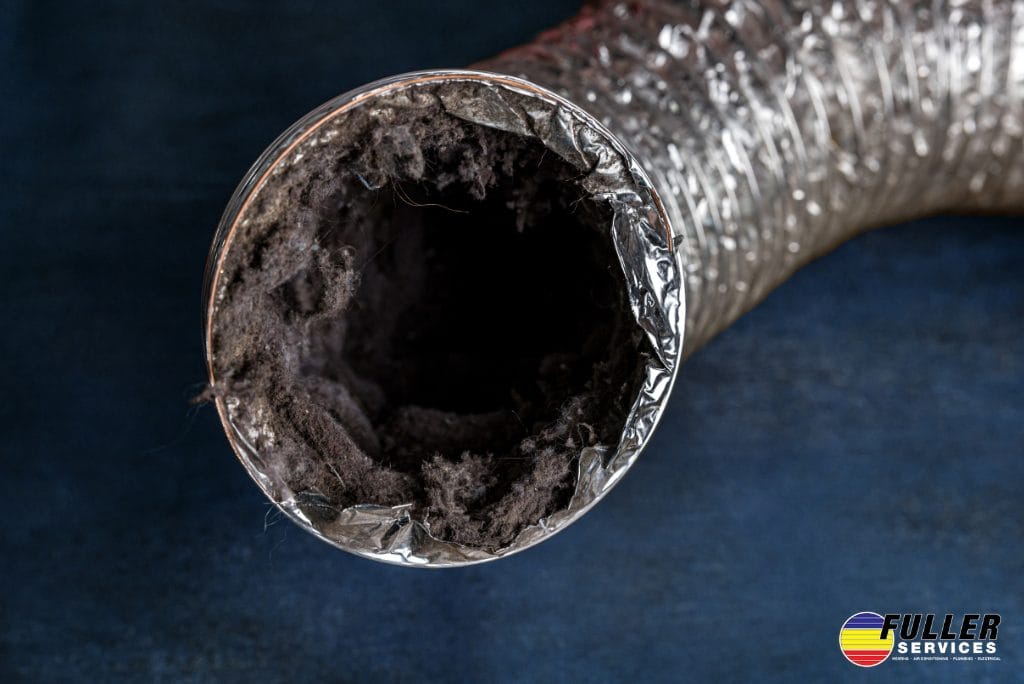
Restricted airflow traps heat and lint, turning longer dryer cycles into a serious fire hazard. In North Alabama’s heavy humidity, trapped moisture bakes lint into thick sludge, causing steamy laundry rooms and musty clothes.
Recognizing the signs your dryer vent needs cleaning protects your home. Here are six warning signs, a DIY confirmation check, when to stop using the appliance, and why vent cleaning differs from HVAC air duct cleaning.
1. Clothes Take More Than One Cycle to Dry
Are your bath towels or heavy jeans still damp after a full cycle? Running ordinary loads through two or three cycles is the most common early sign your dryer vent needs cleaning.
When trapped lint restricts ductwork, moist air cannot exit your home fast enough. Instead of expelling humidity outdoors, the dryer repeatedly re-heats that damp air. This extra runtime spikes monthly energy bills and causes severe wear and tear on heating elements, thermal fuses, and internal belts.
Quick Airflow Check
Start a timed dry cycle and check the exterior vent hood outside your home. You should feel a strong, steady stream of warm air. Weak or missing airflow points directly to a duct restriction.
What to Do Next
Clean your lint screen and inspect the flexible transition hose behind the unit for kinks or crushing. If airflow remains weak, schedule a full vent-line cleaning to restore system efficiency and protect your appliance.
2. The Laundry Room Gets Hot, Steamy, or Musty
If walking into your laundry room feels like stepping into a sauna, your vent is likely blocked. When lint restricts airflow, trapped heat and humidity back up into your home instead of venting outside. You might notice condensation on windows, lingering room heat, or clothes that smell musty after drying.
In our humid North Alabama climate, trapped moisture cannot evaporate properly, making the space feel steamy and encouraging mold growth.
Quick Checks
- Inspect the exterior flap: Walk outside while the dryer runs. The vent hood flap should blow wide open.
- Look for rogue lint: Lint accumulating around the dryer door or behind the cabinet proves air is struggling to move.
What to Do Next
Long ductwork runs and roof vents trap lint easily. If your exhaust line runs through an attic or exits on the roof, contact a professional to clear the line before heat buildup damages your dryer.
3. You Smell a Burning or ‘Hot Lint’ Odor
A scorched or ‘hot lint’ smell while your dryer runs is an urgent safety warning, not a minor inconvenience. When trapped lint restricts airflow, operating temperatures inside the cabinet spike rapidly. If built-up lint contacts heating elements or gas burners, it creates a direct fire hazard.
Immediate Safety Protocol
- Stop the cycle: Shut off the dryer immediately and do not restart it to finish the load.
- Shut off the gas: If you have a gas dryer, turn off the gas valve until the vent is inspected.
- Perform a basic check: Clean the lint screen and clear visible lint piles behind or under the unit.
Homeowners can easily clean the lint trap, but complex ductwork running through walls, attics, or roof terminations requires specialized tools. If you detect burning odors, schedule a professional dryer vent cleaning to safely remove hidden restrictions and protect your home.
4. The Exterior Vent Flap Barely Opens or Stays Closed
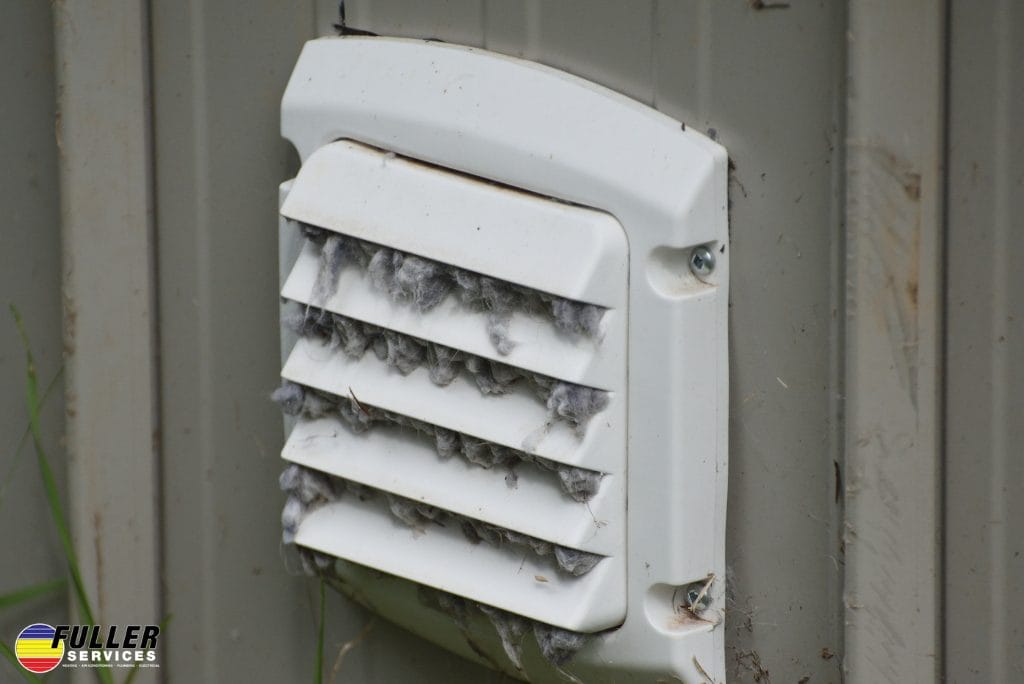
You can diagnose venting issues outside without moving the dryer. Run a timed dry cycle and check the exterior termination hood. A healthy system forces the flap wide open with a strong, warm exhaust blast.
If you notice weak airflow, a barely fluttering flap, or lint accumulating on the ground, your vent line is restricted. While lint buildup is the primary culprit, non-lint obstructions are frequent edge cases:
- Bird or pest nests
- Dampers painted shut during home repairs
- Crushed hood covers or seasonal yard debris
Quick Airflow Test
Hold a thin plastic grocery bag over the exterior outlet while the dryer runs. Proper airflow inflates the bag almost instantly. If it fills slowly or remains limp, an obstruction exists.
Next Steps
Clear surface debris or trapped nests around the hood. If airflow remains weak after freeing the flap, schedule a professional vent cleaning to clear deeper ductwork clogs.
5. Modern Sensor Warnings or Diagnostic Error Codes Appear
A flashing light or code on your dryer display means internal diagnostic sensors detect backpressure from restricted airflow.
Common manufacturer indicators include:
| Manufacturer | Indicator | What It Means |
|---|---|---|
| LG | d80, d90, or d95 FlowSense codes | Signals an estimated 80% to 95% restriction in the dryer vent system. |
| Samsung | Clg, C80, or C90 codes | Appears after a Vent Blockage Test and indicates restricted airflow. |
| Whirlpool & Maytag | AF code or illuminated Check Vent light | Indicates reduced airflow or a possible blockage in the vent system. |
Follow these troubleshooting steps in order:
| Step | Troubleshooting Action | What to Check |
|---|---|---|
| 1 | Clean the lint screen | Wash it with soap and warm water to remove invisible fabric softener film. |
| 2 | Inspect the transition duct | Confirm the flexible hose behind the dryer is not kinked, crushed, or tightly bent. |
| 3 | Check the outdoor flap | Make sure the exterior vent hood opens freely while the dryer is operating. |
Never ignore repeated airflow warnings, as they flag severe overheating and fire hazards. If codes persist after these checks, the blockage sits deeper inside the vent run and requires professional duct cleaning.
6. Your Setup Uses High-Risk Venting or Flexible Foil Hoses
Homes in Athens and Limestone County often clog faster due to layout and material choices. Interior laundry rooms require long duct runs through attics or crawlspaces, adding 90-degree turns and roof terminations. Every bend increases resistance, letting lint collect quickly and choke airflow.
Flexible foil or plastic accordion hoses make matters worse. These transition ducts crush easily when appliances are pushed back, creating internal ridges that trap lint.
Quick Homeowner Risk Audit
- Is your dryer located far from an exterior wall?
- Does the vent terminate at a hard-to-reach roof cap?
- Is the transition hose crushed behind the unit?
If you answered yes, or it has been over 12 months since your last cleaning, treat service as essential maintenance. Explore our full dryer vent cleaning solutions or connect with our specialized Athens, AL dryer vent cleaning technicians to restore system safety and airflow efficiency.
Professional Dryer Vent Cleaning in North Alabama: What to Expect
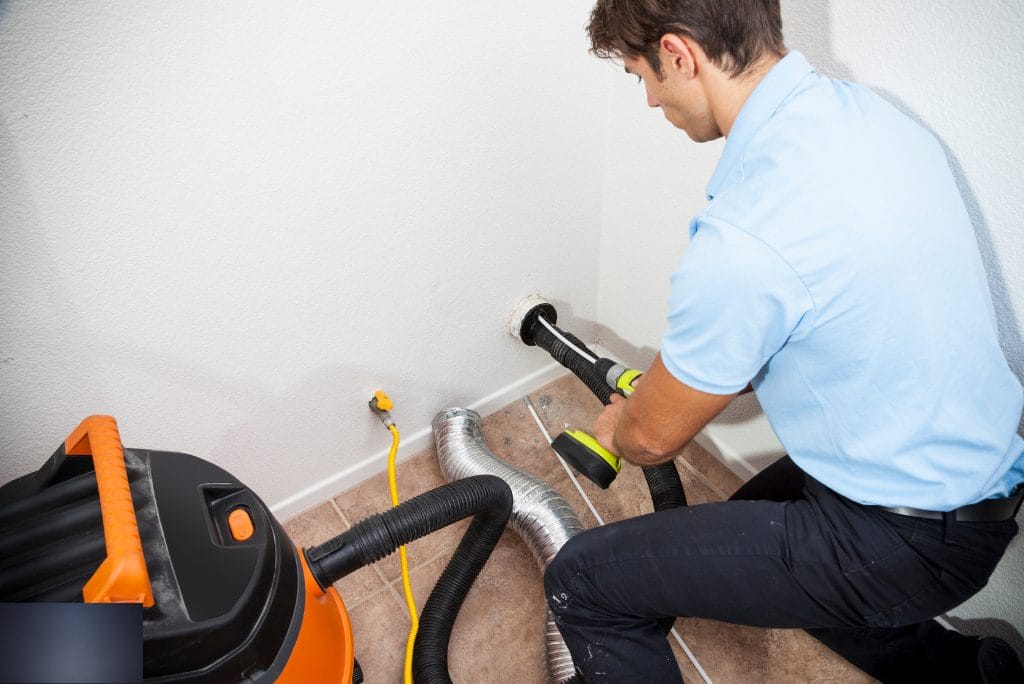
Homeowners often confuse dryer vent clearing with whole-home ductwork services. Dryer vent cleaning targets the single, dedicated exhaust line carrying heat and moisture away from your appliance. This process is completely separate from air duct cleaning, which handles the supply and return ductwork for your central HVAC system. Fuller HVAC provides specialized care for both systems throughout Athens, Muscle Shoals, and surrounding North Alabama communities.
Fuller’s Method for Restoring Airflow
Our local technicians follow a thorough protocol to deliver complete safety and peak system performance:
- Inspect the full vent line: We examine the entire vent path, checking connections from the back of the dryer all the way to the outdoor termination cap.
- Extract lint buildup: Specialized high-powered rotary brushes and vacuum equipment remove accumulated lint sludge and hidden obstructions.
- Verify exhaust airflow: We measure exhaust velocity after cleaning and walk you through our findings to confirm optimal system performance.
Maintenance Bundling and Upfront Pricing
Pair vent cleaning with routine HVAC maintenance to protect total home efficiency. Join our Comfort Club to automate seasonal tune-ups so critical home maintenance is never forgotten.
Pricing depends on specific installation factors because every home layout is unique. Vent length, elbow turns, roof access requirements, and blockage severity determine the total scope of work. We always provide clear, transparent pricing before work begins so you never face surprise costs.
Contact our Athens dryer vent cleaning specialists or schedule your estimate online to restore fast drying cycles and protect your laundry room.
Schedule Your Dryer Vent Cleaning
Frequently Asked Questions About Dryer Vent Cleaning
How often should you clean a dryer vent?
Most homes need a thorough dryer vent cleaning once a year to maintain airflow and prevent fire hazards. Schedule service every six months if you run multiple loads daily, have shed-prone pets, or have a long vent line that exits through the roof. If clothes take more than one cycle to dry, clean the line immediately.
Is dryer vent cleaning something I can DIY?
You can handle basic DIY maintenance: empty the lint screen after every load, clear the visible exterior flap, and check the short flexible hose behind the appliance. Clearing long vent runs hidden inside walls, attics, or roof terminations requires specialized brushes and vacuum equipment. If persistent airflow alerts appear, professional service confirms the line is completely clear without damaging ductwork.
What is the difference between dryer vent cleaning and air duct cleaning?
Dryer vent cleaning focuses strictly on the single exhaust pipe carrying moist heat away from your appliance to prevent fires and restore efficiency. Air duct cleaning targets the larger network of supply and return vents that circulate air through your HVAC system to improve indoor air quality. Learn more about central airflow maintenance in our guide on signs your air ducts need cleaning.
My dryer shows d90/d95, C80/C90, AF, or ‘Check Vent.’ Is it safe to keep using it?
No. Repeated airflow warnings should be treated as an urgent safety alert. Operating a dryer with a blocked vent causes rapid heat buildup that damages internal components and creates a direct fire risk. If you detect a burning odor or the cabinet feels hot to the touch, stop using the appliance immediately and schedule an inspection.
Do you service Athens, AL and nearby areas, and what does an appointment include?
Yes, Fuller HVAC services Athens, Muscle Shoals, and surrounding North Alabama communities. During a service visit, our technicians inspect your full vent path, clear accumulated lint using specialized rotary tools, and verify exhaust velocity to confirm airflow is fully restored. Schedule an appointment online to protect your home.
Schedule Your Appointment Online
Do you offer upfront pricing or estimates?
Yes. We always provide clear estimates before beginning any work. Because total pricing depends on vent length, elbow turns, and roof access, we inspect your setup first to give an accurate quote rather than a misleading flat rate. Visit our dryer vent cleaning solutions page to learn more about what to expect.